
Flexible Food Packaging for Food and Drinks
Key Takeaways
- Match packaging to how your food or beverage product fills, stores, and is used
- Design choices impact line efficiency and shelf presentation
- Liquids, powders, and dry foods require different structures and seal types
- Material selection balances barrier performance, cost, and recyclability
- The right food packaging structure maintains fill consistency and reduces product loss
Food and beverage products require flexible food packaging that retains flavor, controls moisture, and protects shelf life while running cleanly on your line. Every product has different requirements based on how it’s used and stored.
With RubeeFlex Packaging, you will get flexible packaging customized to your product. We’ll create the packaging to work with the way your product moves from filling to distribution, ensuring maximum performance at every stage.
Flexible Food Packaging – Choosing the Right Structure
Barrier requirements —
Control moisture and oxygen levels based on your product’s needs. Different products require different levels of protection to maintain quality and stability.
Shelf-life expectations — Set your shelf-life target first. Then choose the film structure that supports it. A longer shelf life requires higher-barrier materials. Shorter shelf life allows simpler, lower-cost structures.
Product type and handling — Dry and liquid food packaging run differently on the line. Powders need controlled dosing and protection from humidity. Liquids need strong seals and controlled flow during filling and dispensing.
Seal integrity and contamination control — Run consistent seals across every unit. Food packaging bags with weak seals lead to leaks and contamination, especially in high-volume production.
Common Designs for Food and Beverage Packaging
Food packaging will vary in design based on how your product runs on the line and is handled after filling.
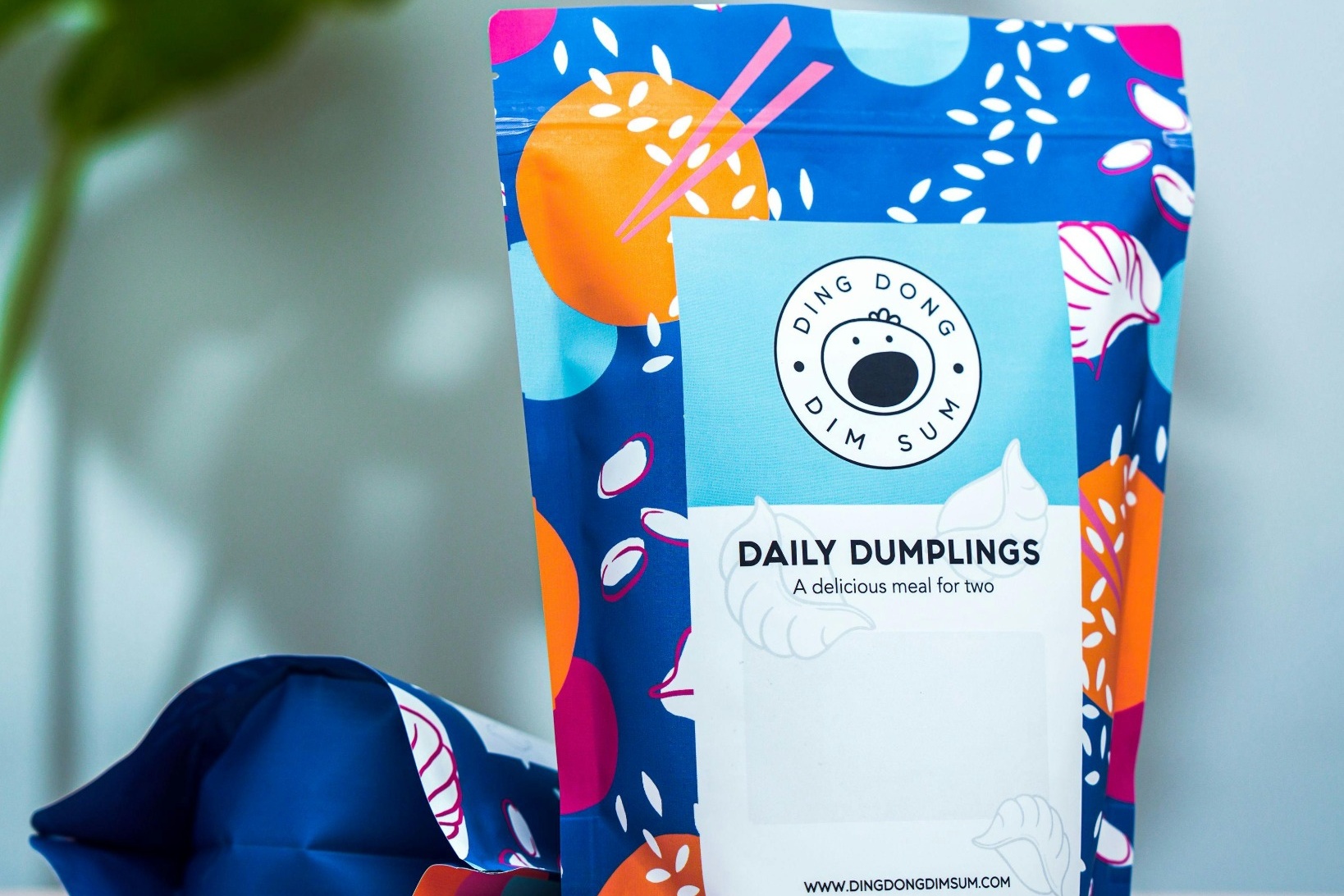
Stand-up pouches
A stand-up pouch is common in snack food and dry food applications where shelf presence and resealability support repeat use.

Flat-bottom pouches
Provide added structure and defined panels for branding. This design is often used for products that need a more stable retail presentation.
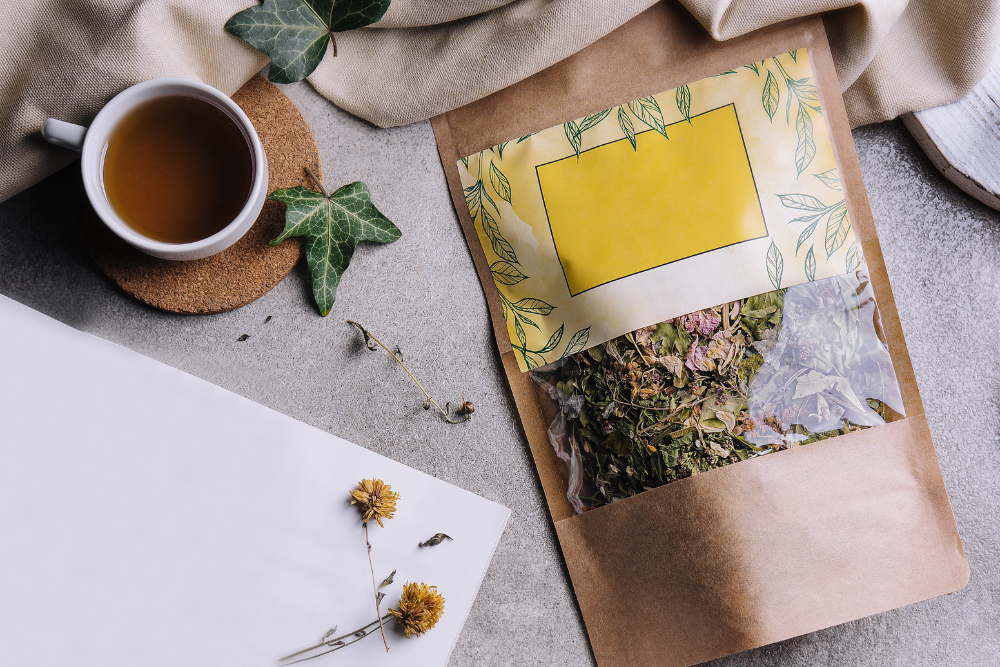
Food packaging bags
Built for higher volumes such as pet food, grains, medical, and household products. The capacity and load stability are priorities to enable bulk production. These are commonly designed as block-bottom and gusseted bags.
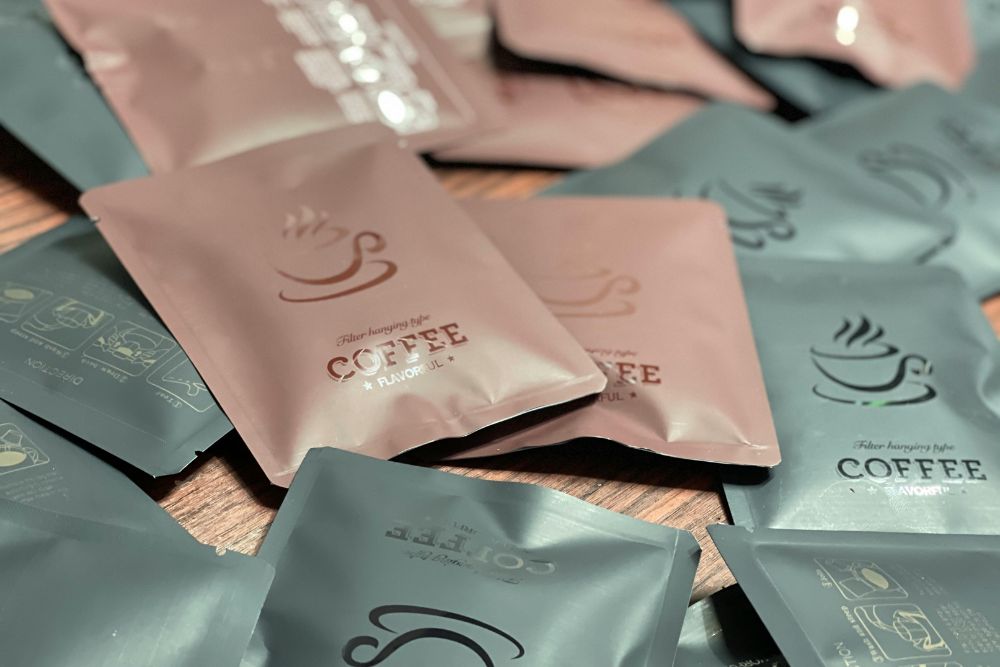
Sachets and stick packs
Single-serve designs are ideal for condiments and portion-controlled products. Accuracy and convenience are central.

Spouted pouches
Produced for liquid food packaging and flexible beverage packaging. The structure of these pouches facilitates controlled pouring and reduces spillage during use.
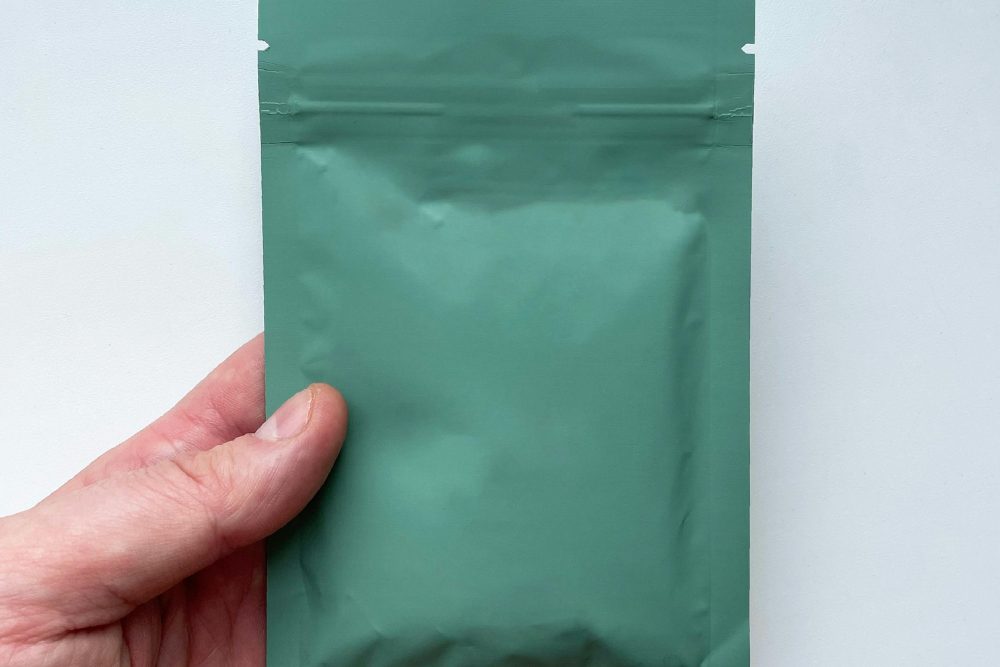
Lay flat and pillow pouches
Lay flat and pillow pouches are designed for frozen food, bulk storage, and high-volume production, where space and throughput are essential.
How to Choose the Right Build
There are multiple factors to weigh up when developing food packaging that runs consistently in production and holds up through storage and use. Here are some useful considerations to help you through the design process.
Stand-up vs flat bottom
Stand-up pouches support standard retail packaging. Flat-bottom pouches add structure and create a more defined shelf presence.
Spouted packaging
Fits liquids and semi-liquids that require controlled dispensing and clean handling.
Single-serve vs multi-use formats
Sachets and stick packs handle portion control. Larger pouches with zippers or tin tie bags support repeated opening and resealing.
Barrier vs cost tradeoffs
Higher barrier materials extend shelf life and protect sensitive products. Simpler structures reduce material costs when shelf-life requirements allow.
Different materials will best fit your product based on how long you need the product to hold and how sensitive it is. For example:
- Shelf-life – Set the shelf-life target, then select the structure that supports it.
- Barrier performance – Recyclable materials may not offer as much protection. Think about which areas matter most for your product and choose based on those priorities.
- Foil vs non-foil structures – Use foil laminations when you need strong protection against oxygen and moisture. Non-foil structures provide more flexibility and can support recyclable options.
Applications Across Food and Beverage Products
Flexible packaging supports a wide range of product types, including:
- Dry food and snack food
- Frozen food
- Dairy products
- Baby food
- Condiments and sauces
- Pet food
- Powdered mixes and drink formulations
Each product category places different demands on barrier performance, sealing, and format selection.
Custom Food Packaging Bags and Printing Options
There are countless ways to personalize your food packaging to fit your product and branding requirements with Rubeeflex. Here are some examples:
Print directly on the packaging with custom-printed designs
Adjust size and structure based on fill volume and product type
Add closures like zippers for resealability
Add spouts and fitments for liquid applications
Custom food packaging bags give you control over both performance and presentation.
FAQs About Flexible Food Packaging
Flexible food packaging uses film-based materials to create pouches and bags that protect food and drinks while allowing efficient storage, transport, and handling.
The most suitable packaging for your product depends various factors, such as:
- Product type (dry, liquid, or powder)
- Required shelf life
- Filling method and production setup
Dry foods, liquids, and powders each require different structures and barrier levels.
The difference between a bag and a pouch comes down to structure and intended use. Pouches are typically designed for retail presentation and may include features like stand-up bases or zippers. Bags are often used for higher-volume or bulk applications where capacity and strength are primary considerations.
Liquid food products require packaging that prevents leaks and allows controlled dispensing. Liquid food packaging often uses spouted pouches or high-seal-strength structures that prevent leaks and allow controlled dispensing. RubeeFlex packaging experts can guide you in designing packaging to perfectly suit your needs.
Packaging affects shelf life by limiting exposure to external elements. Materials with stronger barrier properties help protect against oxygen and moisture, which supports longer product stability.