

Key Takeaways
- Flat bags and gusseted bags are two of the most common types of flexible packaging.
- Flat bags work best for lightweight items, while gusseted bags suit larger and bulkier products.
- The right choice depends on your product’s size, shape, and how you want to display it on the shelf.
- Both types of bags can be made with recyclable or sustainable materials.
Walk down any store aisle and you’ll see how much a package says about what’s inside. Coffee beans stand tall in glossy stand-up pouches. Pet treats fill sturdy gusseted bags. Single-serve snacks and samples are sealed in slim, flat pouches.
When it comes to flexible packaging, two of the most common styles are gusseted bags and flat bags. Both protect products well, yet they serve different needs.
What are the differences between flat and gusseted bags? And how do you decide which bag is right for your product line?
What Are Flat Bags?
Flat bags have a simple, two-dimensional design, sealed on three sides with one open end for filling and sealing. Because they don’t expand, they’re best for small, uniform items that don’t need extra space.
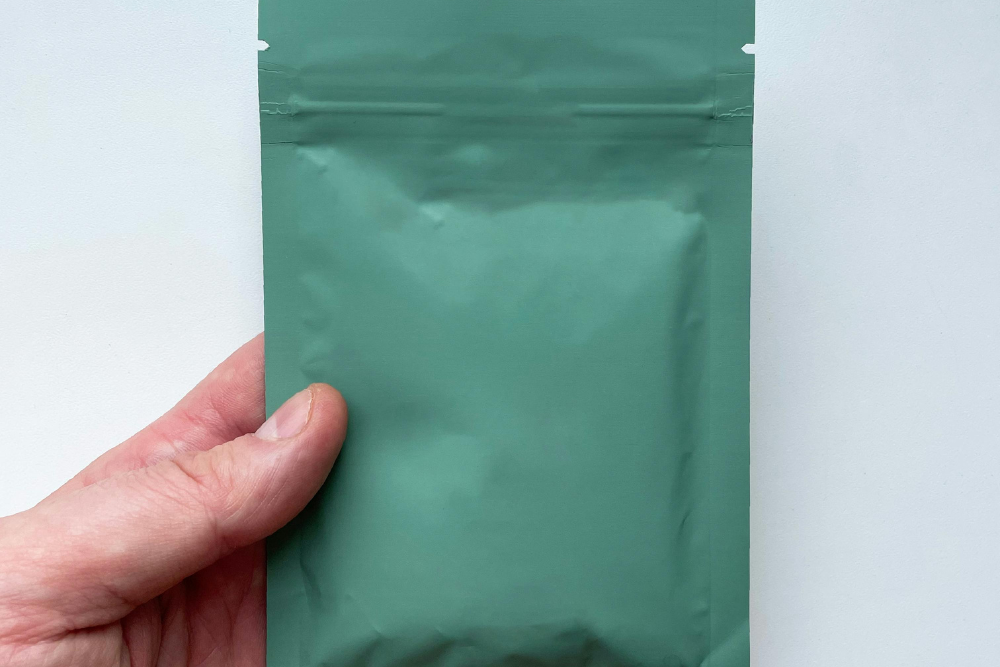
Common uses include:
- Single-serve snacks or portion packs
- Frozen foods or dry powders
- Medical or pharmaceutical samples
- Instruction sheets, small parts, or promotional inserts
Flat bags use less material and take less time to produce, making them a good choice for high-volume runs where cost per unit matters. Lightweight and compact, flat bags are easier to pack, stack, and store without wasted space, reducing shipping and storage expenses.
What Are Gusseted Bags?
Gusseted bags have extra material along the sides or bottom, allowing them to expand as they’re filled. This creates more space for your product and a stable base that helps the bag stand upright.

Common uses include:
- Coffee, tea, and dry goods
- Pet food and treats
- Protein powder and nutritional supplements
- Grains, snacks, and baking mixes
The added depth and structure make gusseted bags better for larger items. There’s also more surface area for custom graphics, product information, and branding elements, helping your product stand out in retail settings.
Flat vs Gusseted Bags: What Sets Them Apart
| Feature | Flat Bags | Gusseted Bags |
| Structure | Flat, sealed on three sides | Expandable sides or bottom |
| Capacity | Holds limited volume | Large fill volume |
| Shelf Presence | Lays flat | Stands upright |
| Cost | Lower production cost | Higher per-unit cost, offset by stronger retail presence. |
| Best For | Small or single-use items | Bulkier products and retail displays |
Both packaging styles can be made with high-barrier or recyclable films, depending on the level of protection your product needs.
When to Use Each Type of Bag
Choose flat bags when:
- The product is small, flat, lightweight, or doesn’t expand
- Cost and storage space are priorities
- Shelf display isn’t a major concern
- You need quick, high-volume production runs
Flat bags are best when you want a practical and budget-friendly solution for small or single-use items.
Choose gusseted bags when:
- The product needs to stand upright for display
- Branding and shelf presence are important
- You’re packaging bulkier or heavier items
- The product features resealable closures or valves
Gusseted bags help your product stand tall and look professional, while providing space for branding and product details.
Which Bag Is Right for You?
The main questions to ask yourself are what kind of product are you packaging, and how do you want it to be displayed? Flat bags are practical for small, lightweight items that ship in large quantities, while gusseted bags are great for products that need more space or you want them to stand out in a retail setting.
Whether you need flat or gusseted pouches, we will walk you through the pros and cons of each design and help you create packaging that looks great and performs even better.
Ready to find the right packaging for your product? Contact RubeeFlex today and get a free sample.

FAQs: Flat vs Gusseted Bags
The main difference between flat bags and gusseted bags is that flat are sealed on three sides and don’t expand, while gusseted include extra folds that expand to hold more product and stand upright.
Gusseted bags are typically more expensive than flat bags because of extra material and sealing steps, but they also offer more display and branding opportunities.
Yes. Both bag types can be made from polyethylene, polypropylene, or multi-layer films, depending on product protection needs.
Flat bags are suitable for food packaging, ideal for portioned snacks, frozen foods, or small items that don’t need a large storage volume.
Yes, flat bags protect the contents at the same level as gusset bags. Both can be designed with the same barrier layers and sealing options to protect freshness and prevent leaks.