
Tin Tie Bags Bags
Back on the Shelf After One Fold.
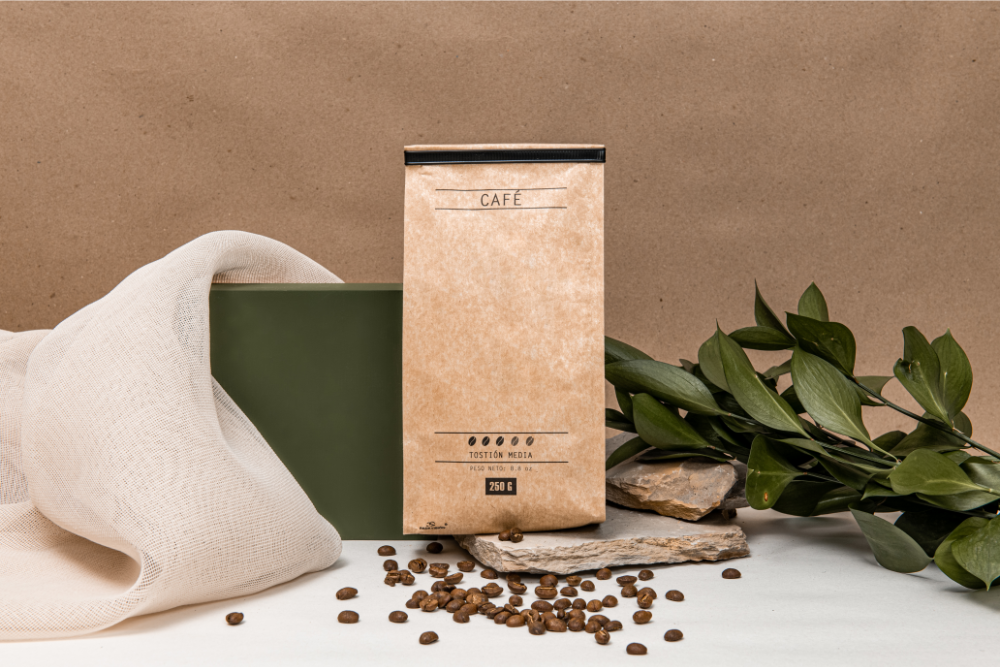
Picture a customer opening your bag for the third or fourth time. The product still smells fresh, the top still folds neatly, and the bag doesn’t look worn out or torn.
Tin tie bags support that kind of everyday use. They give people a simple way to open and reseal the bag while keeping the structure intact. Brands use this format for coffee, tea, dry foods, and powdered products because it packs smoothly and holds up once the product leaves the shelf.
RubeeFlex Packaging creates tin tie bags around how your product fills, seals, and ships, so the closure keeps working long after the first open.
Key Takeaways
- Tin tie bags support repeat opening without zippers or added line steps.
- Brands use this format for products that customers open often.
- Bag size, film structure, and tie placement shape how the bag fills, seals, and closes.
- Kraft and plastic options support different barrier requirements.
- Print layouts stay clear after opening when text is set away from the fold and tie.
Get Your Custom Tin Tie Bags!
Request a quote today.
Explore RubeeFlex Tin Tie Options
Kraft Tin Tie Bags — Kraft tin tie bags give products a paper-forward look while relying on an inner barrier layer to protect freshness. Brands often choose this format for coffee, tea, and dry goods that customers open again and again.
Plastic Tin Tie Bags — Plastic tin tie bags are designed to protect the product and hold their shape over time. Brands use this option when moisture or air control plays a bigger role, or when bags travel farther before reaching the shelf.
Custom-Printed Tin Tie Bags — Keep branding consistent across sizes and SKUs with custom-printed tin tie bags. This option works well for product lines with multiple flavors or seasonal packaging changes.
Tin Tie Coffee Bags — Coffee bags with tin tie closures balance freshness with everyday use. The structure protects aroma, the seal holds over time, and the tie makes it easy for customers to reseal the bag between brews.
Get Tin Tie Bags Made for Your Product
Tin tie bags come down to a few practical choices that affect how the bag runs and how it feels after opening.
- Bag sizes and fill weights matched to your product
- Kraft or plastic structures based on barrier needs
- Print layouts planned around the top fold, seal, and tie
- Tin tie placement that folds cleanly and stays easy to use
Not sure which direction makes the most sense? Our team will walk you through the options and help you create a sample for testing.

What You Get With RubeeFlex Tin Tie Bags
When you partner with RubeeFlex Packaging, you’re working with a tin tie bag supplier focused on getting the details right before production starts. We offer:
✔ Structure and material options matched to your product
✔ Artwork review before plates are finalized
✔ Clear approvals so changes stay organized
✔ Production timing coordinated around your schedule
✔ Support for both test runs and ongoing production
Where Tin Tie Bags Work Well
Our tin tie bags are used across a wide range of product categories:
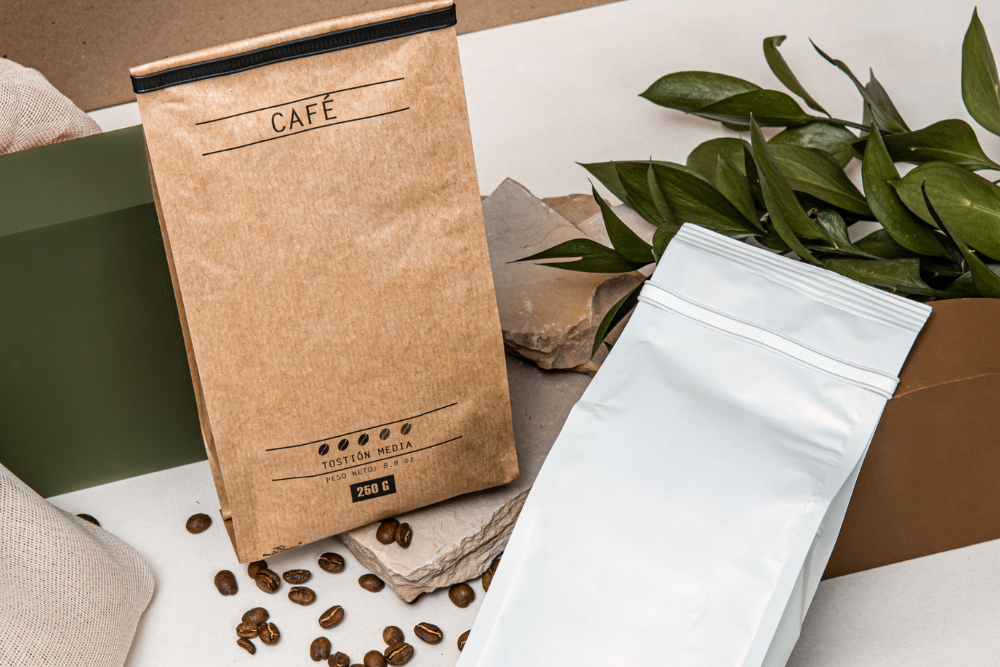
Coffee
Tin tie bags keep coffee aromatic while giving customers a simple way to reseal the bag between brews, a setup often used for coffee packed in gusset bags.
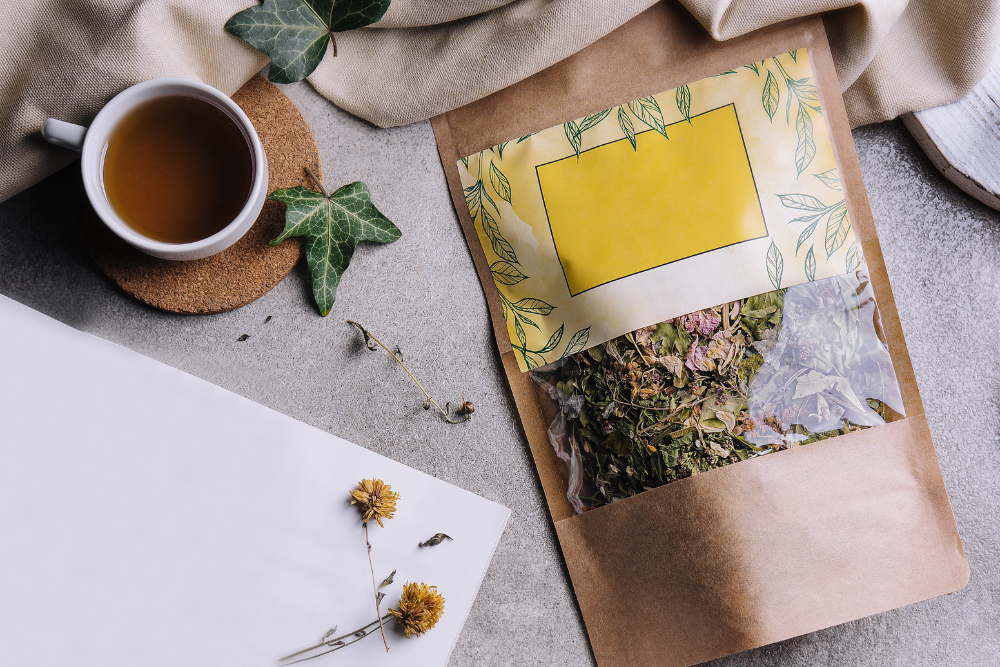
Tea
Loose-leaf and bagged teas use tin tie bags to stay fresh while allowing easy access day after day.
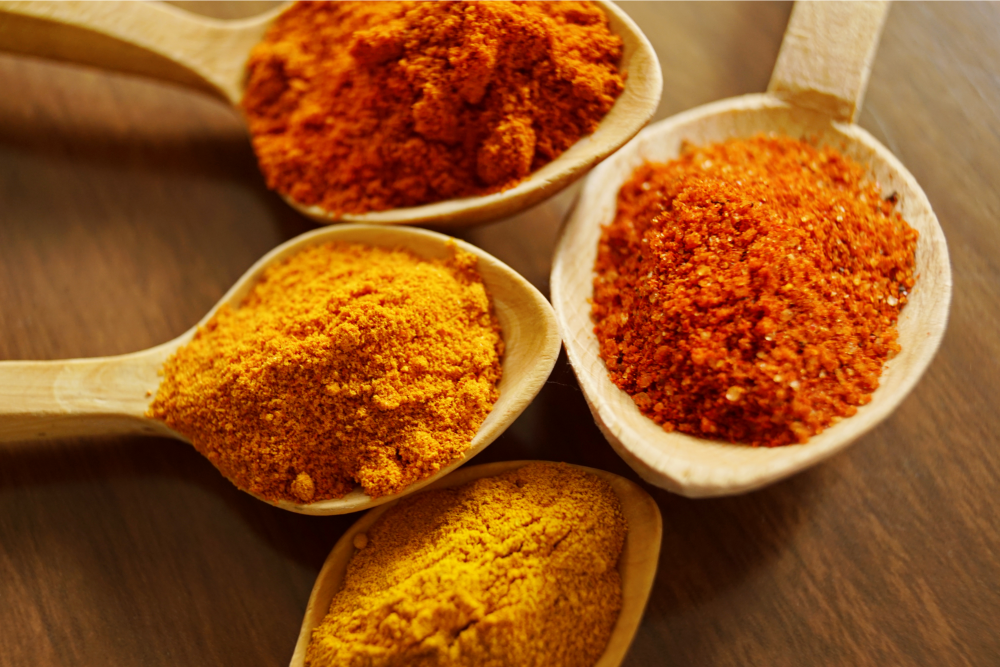
Snacks and Dry Foods
Nuts, trail mixes, spices, and baking ingredients use tin tie closures so the bag stays easy to open, close, and put back on the shelf.
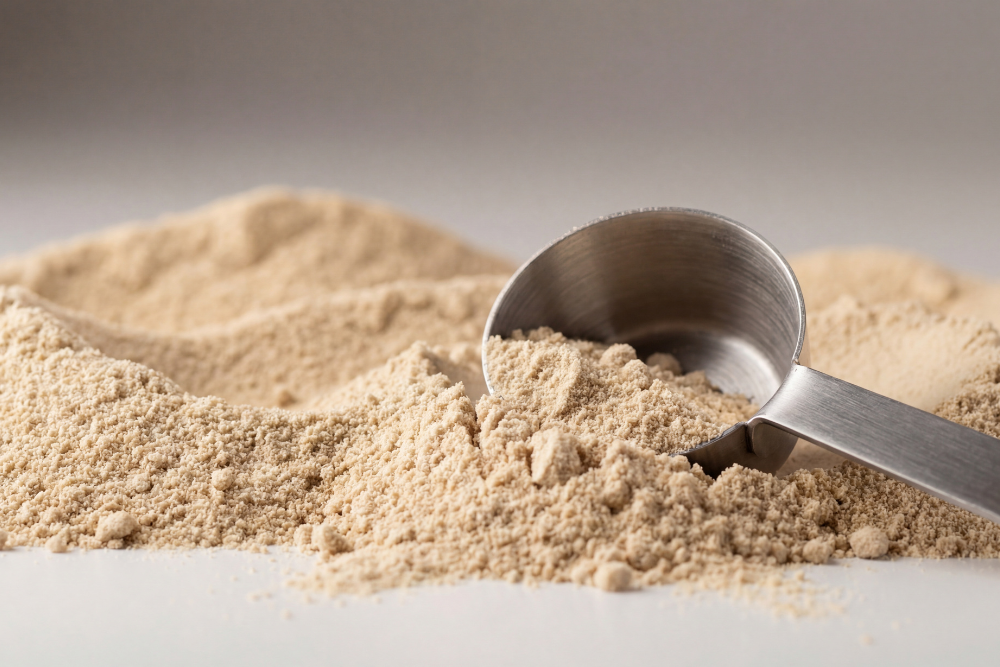
Supplements and Powders
Protein powders, drink mixes, and blends rely on steady seals and consistent barrier protection during storage and distribution.
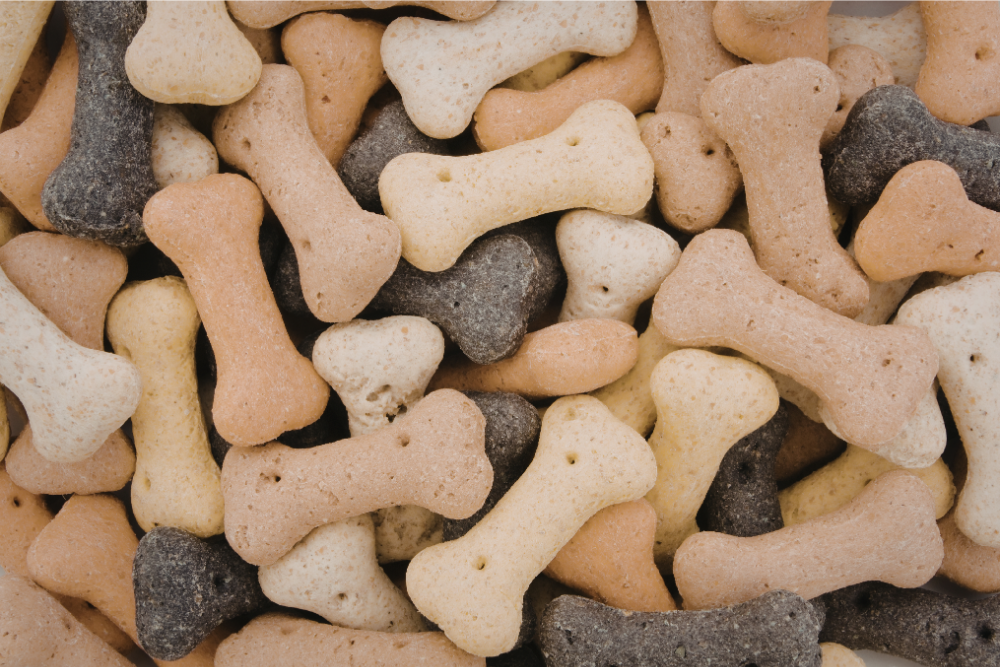
Pet Treats
Tin tie bags work well for pet treats, keeping them fresh, crunchy, and ready for the next scoop.
Specialty Products
Seasonal items and limited runs use tin tie bags when brands want a reseal that keeps costs in check for a smaller run.
RubeeFlex Tin Tie Bags FAQs
Tin tie bags work well for products that benefit from a simple reseal, including coffee, tea, dry foods, spices, and powdered products.
Yes. You can choose the bag size, materials, printing, and tie placement based on how your product is packed and handled.
Kraft bags give a paper-forward look and suit products opened often, while plastic bags focus more on moisture and air protection. The right choice depends on how the product is stored, handled, and sold.
A tin tie bag makes sense when the product needs a simple reseal without adding extra cost or complexity. Many brands choose tin ties when customers open the bag regularly but don’t need an airtight zipper, or when the format needs to stay flexible across SKUs or short runs.
Artwork planning takes the fold, top seal, and tie placement into account from the start. That keeps logos, text, and required information clear and visible after the bag is opened and resealed.
Seal It in With Rubeeflex Tin Tie Bags
Before moving into full production, it helps to look at how a tin tie bag will run on the line and hold up after opening. Share what you’re packing, how it fills, and where it’s sold. RubeeFlex Packaging will walk you through structure and printing options, flag tradeoffs early, and confirm what affects lead time before anything is finalized.
We focus on details customers notice later, like how the top seal holds, where the fold lands, and how the tin tie sits after the bag is used a few times. Looking at those points up front helps avoid small issues that only show up after the product reaches homes and kitchens.
The goal is simple: when a customer opens the bag weeks later, it should close just as cleanly as it did the first time.
