
The Pillow Pouch Bags
Because the Best Packaging Is the Kind You Don’t Have to Think About.
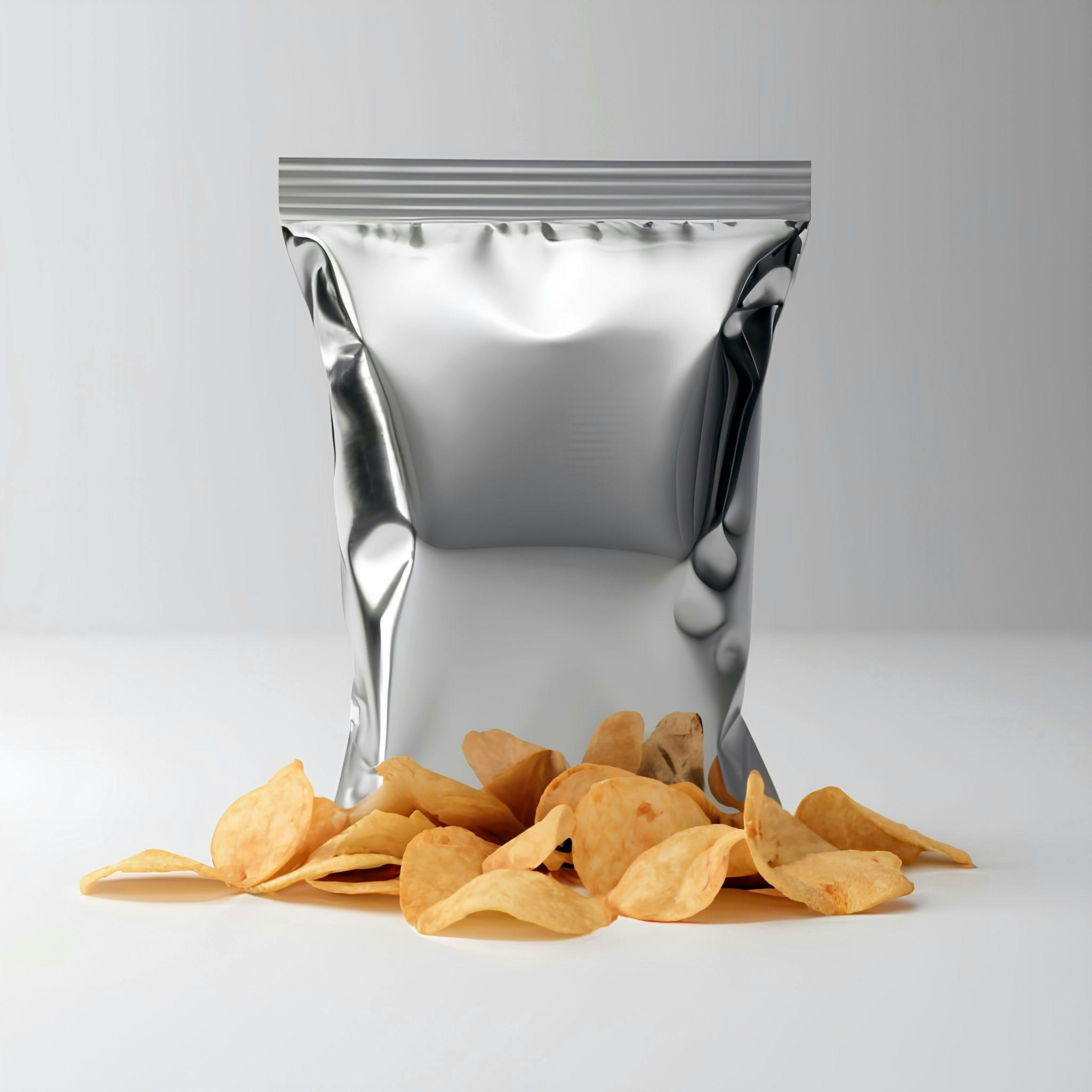
When your product is packed, shipped, and restocked every day, the pouch it goes in has to protect it, look right on the shelf, and hold up in between. Pillow pouches are often used for products that move quickly and don’t sit around. RubeeFlex Packaging builds each pouch around your product so the materials, sealing, and printing all match how your product is handled and sold.
Key Takeaways
- Pillow pouches are built for fast, high-volume production.
- Film structure is chosen based on moisture, oils, aroma, and how the product is handled.
- The right seal and film setup keeps production runs smooth and reduces scrap on fast-moving lines.
- Locking in specs early helps avoid mid-run changes and production delays.
- Clear front-panel printing helps shoppers spot your product quickly on crowded shelves.
Get Your Custom Pillow Pouches!
Request a quote today.
Explore RubeeFlex Pillow Pouch Options
Pillow pouches might seem simple, but a few build choices make a big difference once you’re running a product through the line and sending it out the door. Seal style, film structure, line setup, and opening features all affect how the pouch runs, ships, and holds up in use.
Lap Seal or Fin Seal, Which Is Better for My Product? — Start with the back seam. It affects how reliably the pouch seals when line speed, sealing temperature, or film tension shift during a run. A lap seal lies flatter and typically uses slightly less material, which works well when sealing conditions are stable. A fin seal creates a raised seam with more seal area, which can be easier to maintain on higher-speed lines, thicker films, or older sealing jaws that need a wider seal window.
Materials and Film Structures — Pillow pouches are made from layered plastic films, with each layer handling a different job. Outer layers like PET or BOPP help the pouch keep its shape and carry your printing, while inner layers of polyethylene (PE) allow the pouch to seal and hold the product. When products need more protection, barrier layers such as metalized film or foil can be added to block moisture, oxygen, or light. That’s why powders, oily products, and aroma-sensitive items often use different film builds, even when the pouch looks the same from the outside.
Built Around Your Line — How your product drops into the pouch and how fast your line runs both affect how the pouch should be built. Film stiffness, pouch width, and seal setup all play a part in whether the product fills cleanly and seals without trouble. Faster speeds, thicker films, or uneven product flow can all change what works best. Sorting this out early helps avoid slowdowns, seal problems, and wasted product once you’re up and running.
Easy-Open and Reseal Options — Adding a zipper changes how the pouch is built and how it runs, not just how it opens. Some films seal cleanly around zippers, while others don’t, so the closure and the film need to be chosen together. Zippers also add cost and can change minimum order quantities and lead times. Heavier products or packs that are opened a lot need stronger zippers that won’t wear out or pop open. Sorting this out early helps avoid having to rework the pouch later.
Printing and Artwork Layout – Printing on pillow pouches has to account for back seams and seal areas, so logos, text, and barcodes need to be placed with those in mind. Film choice also affects how colors hold and how sharp fine details print. Gloss, matte, and specialty finishes are all options, but they have to work with the sealing process and line speed. Planning print and pouch structure together helps avoid designs getting cut into seal areas or shifting during production.
Get a Pillow Pouch Made for Your Product
These are the main options that affect how the pillow pouch runs on the line and how it’s used.
- Pouch sizes and fill weights that work with your product and case packs
- Film choices for dry products, oily products, and items sensitive to moisture
- Printing that stays clear and consistent from run to run
- Lap seal or fin seal construction based on your equipment and sealing setup
- Easy-open and reseal features that fit how customers actually use the product
Not sure where to start? RubeeFlex can walk you through the options and help you create a sample for testing.

What You Get With RubeeFlex Custom Pillow Pouches
When you work with RubeeFlex, we help you from start to finish to understand and choose the best pouch for your product. We go over your product, your line, and how the pouch will actually be used, so the build is set before production starts.
✔ Help choosing film and seal styles that fit your product and equipment
✔ Consistent film quality, so runs stay predictable
✔ Support for both small test runs and full production
✔ Clear answers on specs, timing, and what happens next
✔ Pouch specs set up to match your product and your line
Pillow Pouches for All Types of Products
Pillow pouches are used across many product categories because the format performs well at scale and works with both dry and heavier products.
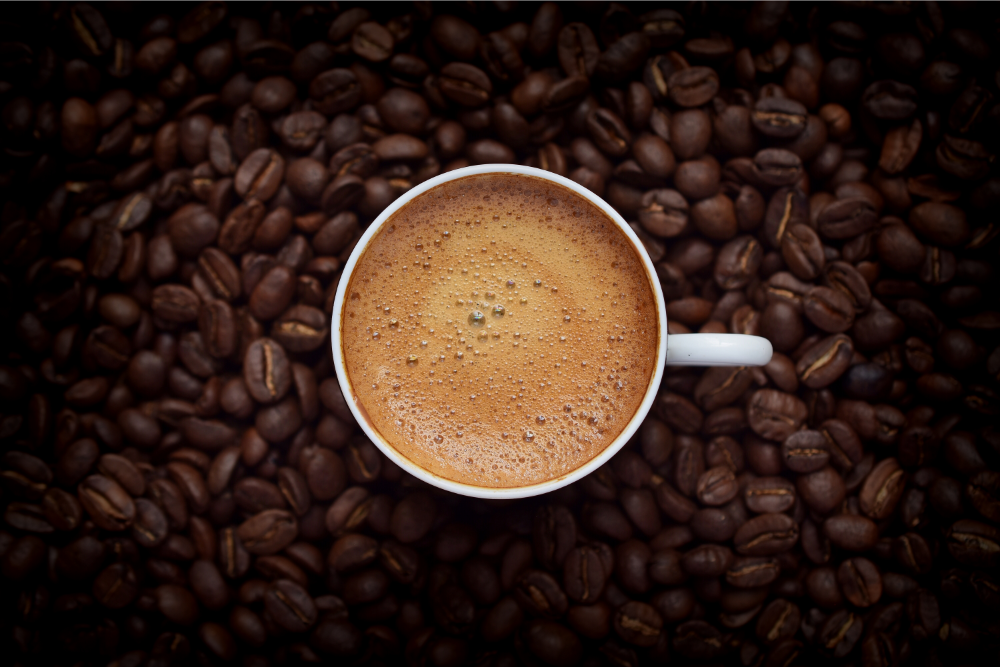
Coffee
Pack ground coffee in pillow pouches that protect aroma and hold their shape from the warehouse to the kitchen counter.
Food & Snacks
Package fragile snacks like chips and crackers in pillow pouches that don’t leave you with a bag of crumbs by the time they hit the shelf.
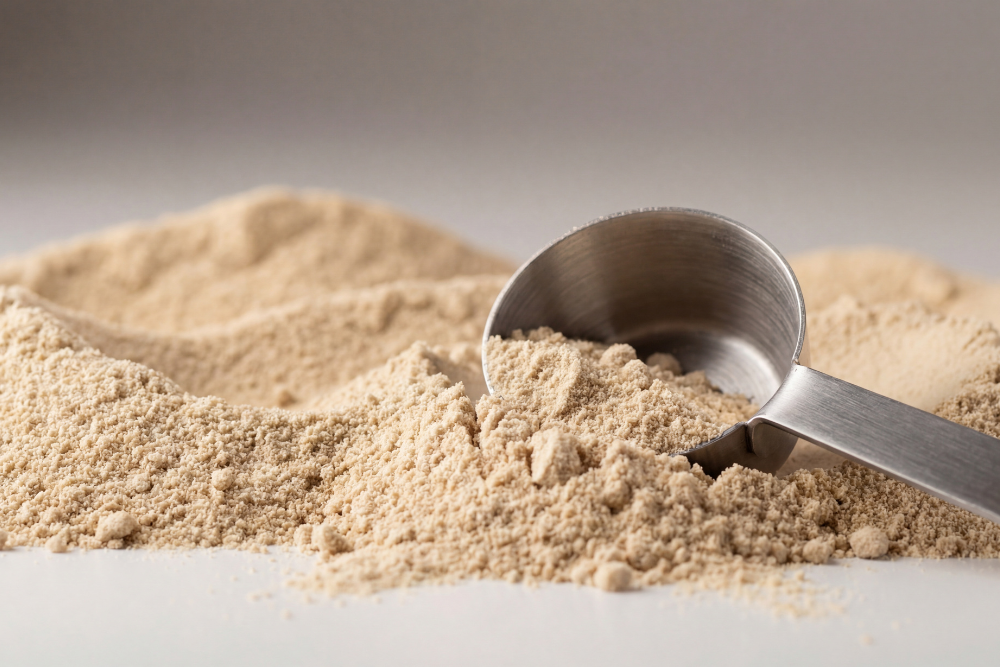
Powders and Dry Mixes
Run fine powders like protein mixes and seasonings without dust blowing back into the seal area or building up on the line.
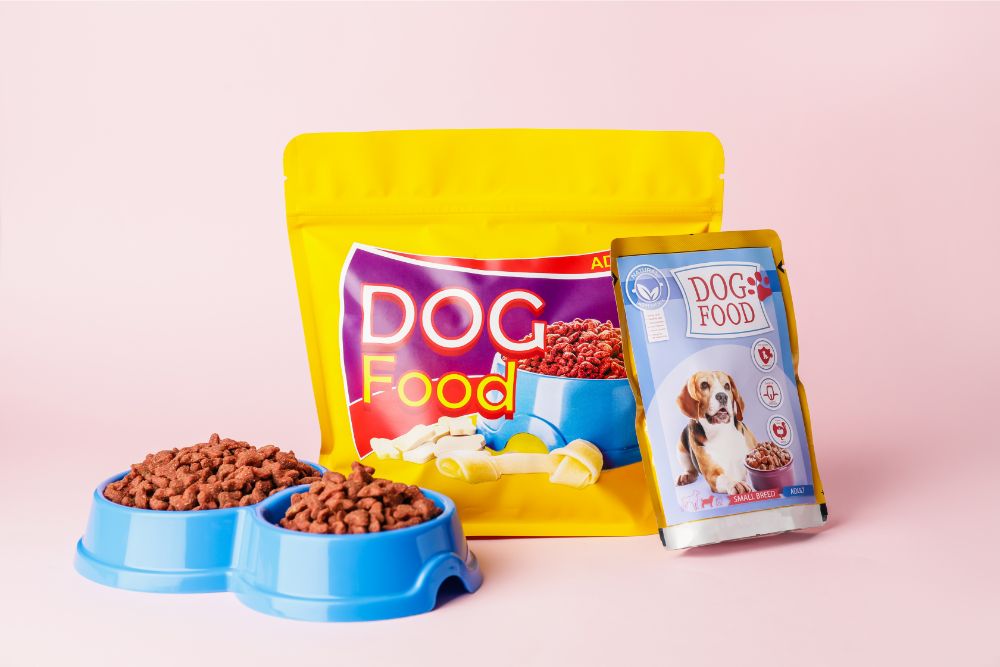
Pet Food and Treats
Package pet food and treats in pillow pouches that survive repeated opening, pouring, and resealing.
Candy & Confections
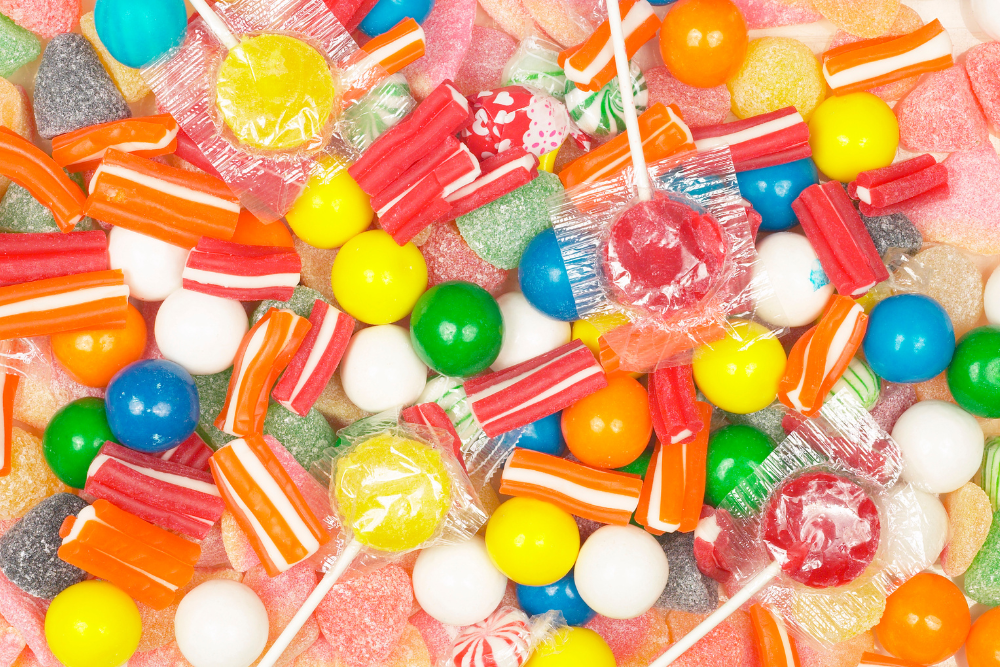
Pack hard and soft candies in pillow pouches that protect coatings and keep pieces from sticking or getting crushed.

Household Products
Ship detergents and cleaners in packaging that can handle weight, friction, and stacking without splitting or sagging.
RubeeFlex Pillow Pouch FAQs
A pillow pouch is a flat bag sealed across the top and bottom, with a seam running down the back. It’s typically made on vertical or horizontal form-fill-seal machines and used for products that run in steady, high-volume production.
Most plastic pillow pouches use layers of polyethylene (PE), polypropylene (PP), or polyester (PET). Some products also use a thin aluminum foil layer between plastics when an extra barrier is needed. The exact structure depends on what the product needs protection from, such as moisture, oils, or aroma, and how it’s handled during filling and shipping.
Yes. Pillow pouches are common for food, but the materials and seals need to match what you’re packaging. Moisture, oils, and how long the product needs to stay fresh all factor into how the pouch is built.
Yes. RubeeFlex offers smaller runs so you can see how the pouch performs before committing to full production. It’s a good way to review materials, printing, and overall run behavior before scaling up.
Pillow pouches work best for products that run through form-fill-seal lines at steady volume. RubeeFlex looks at how your product is filled, handled, and sold before recommending a structure that fits both the product and the line.
Spec Your Pillow Pouch With RubeeFlex Packaging
Before you commit to full runs, take a closer look at how your pillow pouch will actually perform. Talk through your product and your line with the RubeeFlex team, review film and seal options, and test samples so you know what you’re getting before pallets start moving.
