
Degassing Valve Bags Bags
Control Internal Pressure Without Pushing Seals Past Their Limits.
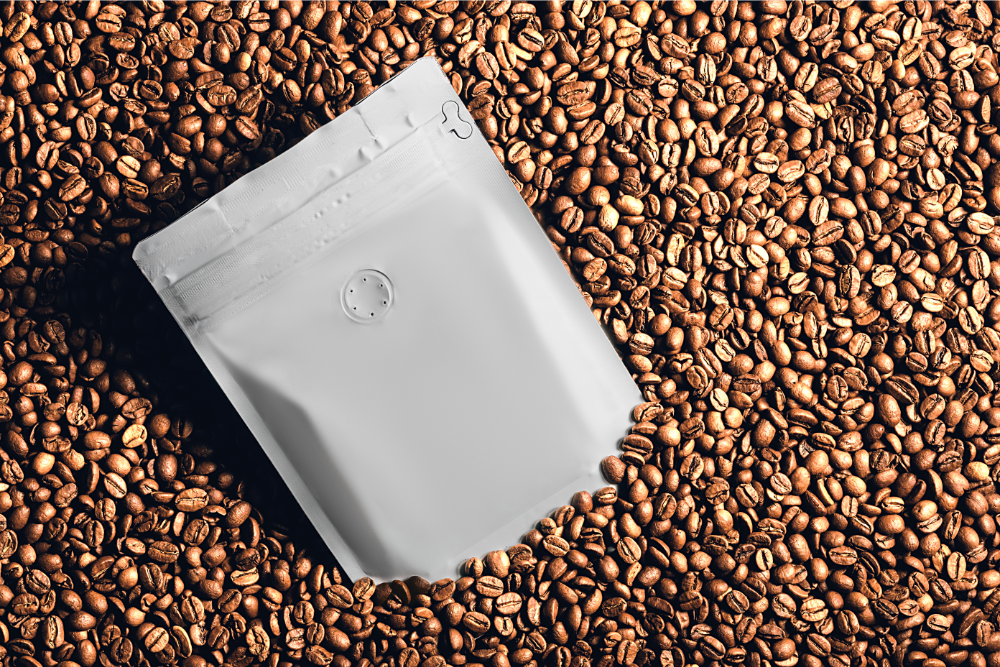
When a customer opens a bag of coffee, the expectation is simple: it should smell aromatic, taste freshly roasted, and stay intense through the last cup. That experience depends on how well the package handles gas release after sealing, without letting air back in or changing shape along the way.
A degassing valve bag releases gas while keeping oxygen out, so the product stays protected from packing through delivery. This format is most common for roasted coffee, where CO₂ continues to release after sealing, but it also works for other products that release gas during cooling or early storage. RubeeFlex Packaging designs valve bags as a complete package, with the valve, film, and layout working together so the bag holds its shape and opens the way customers expect.
Key Takeaways
- Degassing valves release gas while keeping outside air from getting back into the bag.
- Coffee bags with valves are the most common use, but any product that off-gasses after sealing can benefit from a valve.
- Valve placement, film structure, and seal design all affect whether the bag holds its shape over time.
- When zippers are involved, a well-planned layout keeps venting smooth and the top of the pack looking right.
- Valve choice depends on how the product behaves after sealing, along with bag size or shape.
Get Your Custom Degassing Valve Bags!
Request a quote today.
Explore Degassing Valve Bag Options
Coffee Bags with Valve — These bags are used for whole bean or ground coffee that continues to release gas after roasting. One-way degassing valve coffee bags let CO₂ escape while keeping outside air from getting back in. Valve performance, seal strength, and barrier levels are matched to roast profile, fill weight, and handling so the bag keeps its shape through storage and shipping.
Coffee Bags with Valve and Zipper — Your customer’s last cup should taste as good as the first. The valve releases built-up gas, the zipper limits air getting back in, and the top seal and zipper track are laid out so the opening does not become a weak point.
Degassing Valve Pouches — When products go into stand-up or flat pouches, the pack has to stay upright through casing, shipping, and display. Valve placement and pouch layout keep gas release from softening the panels or changing how the pack stands.
Degassing Valve Bags for Non-Coffee Products — Products like pet treats, granola packed before fully cooling, and cured meat snacks continue to build pressure after sealing. The valve releases that gas while the bag structure keeps seals flat and prevents boxes from bulging during shipping.
Designed to Fit Your Product
Your degassing valve bag has to manage gas, protect the product, and hold its shape, and you have options for how it’s built:
- Valve type based on how quickly the product releases gas after sealing
- Valve placement that avoids seal zones, zippers, and key print areas
- Film structures chosen for barrier needs, and how well the valve bonds to the film
- Seal layout that fits your filling method and sealing setup
- Print layout that keeps branding and regulatory text clear of the valve
- Valve and material choices that fit your timing and delivery needs
Not sure where to start? RubeeFlex can walk you through the options and help you create a sample for testing.

What You Get With RubeeFlex Degassing Valve Bags
What you get here is attention to the details that affect sealing, venting, and how the bag holds its shape after packing.
✔ Film structures that keep seals tight and the valve secure
✔ Valve placement that stays clear of seal areas and zipper tracks
✔ Print layout that leaves room for the valve without covering required text
✔ Run sizes that work for both early testing and ongoing production
✔ Clear updates when valve or material availability affects timing
When to Use Degassing Valve Bags
Our bags are used across a wide range of product categories:
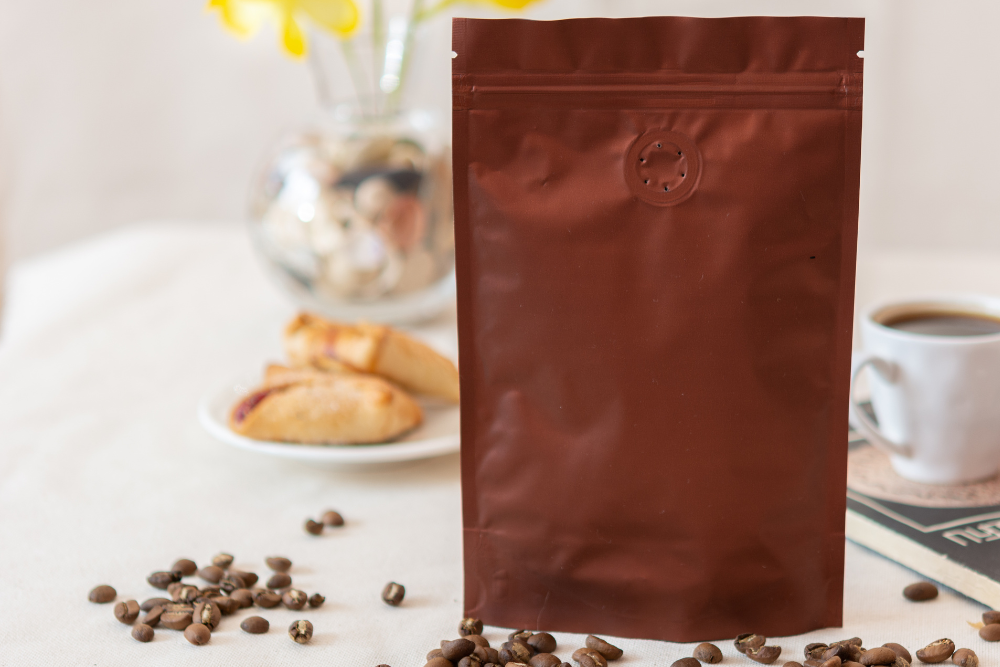
Coffee
Coffee bags with valves are used to release CO₂ after roasting while keeping outside air from drying out the beans. This helps the bag hold its shape and keeps flavor stable through storage and shipping.
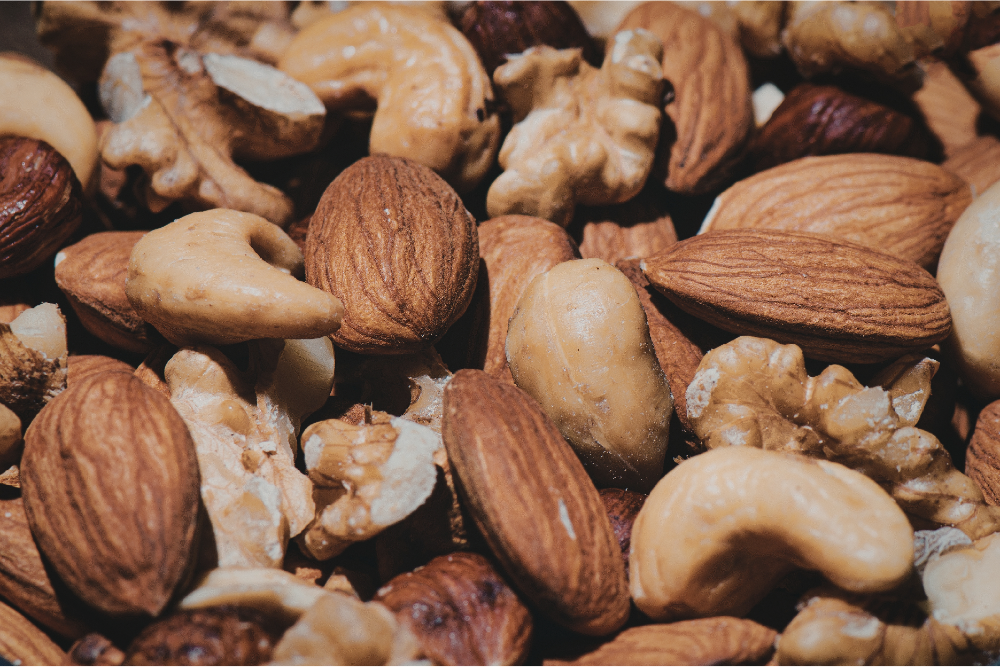
Freshly Roasted or Toasted Snacks
Products like nuts, seeds, or trail mixes packed shortly after roasting can continue to release air and heat in the bag. A valve lets that gas escape so the package settles evenly instead of puffing or stressing seals.
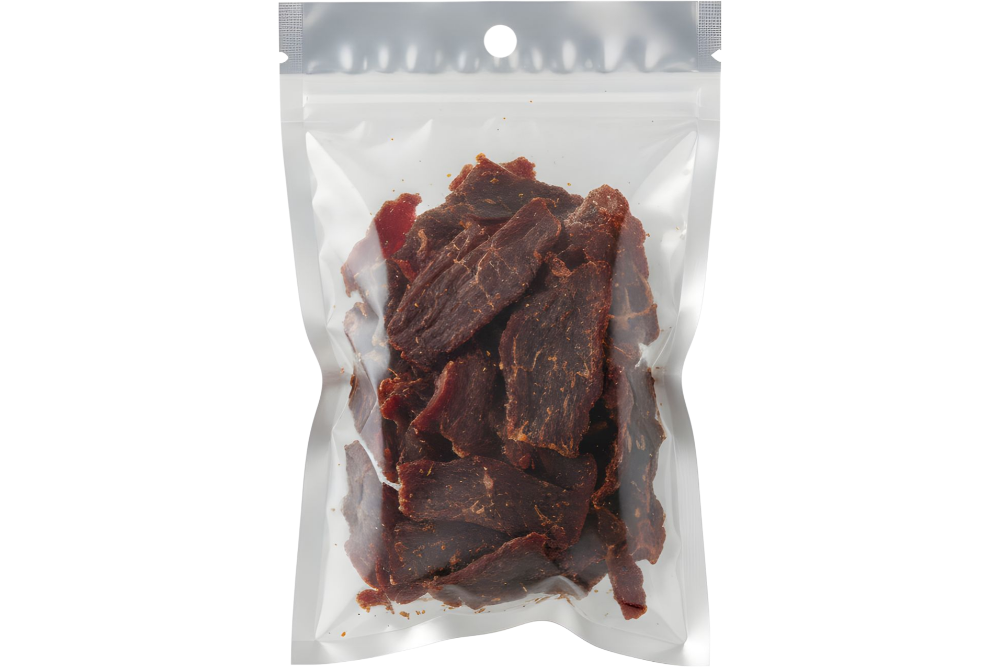
Cured and Dried Meats
Snack-size cured meats and jerky products can continue to release small amounts of gas after sealing. Valve bags let that gas out while keeping oxygen from getting back in.
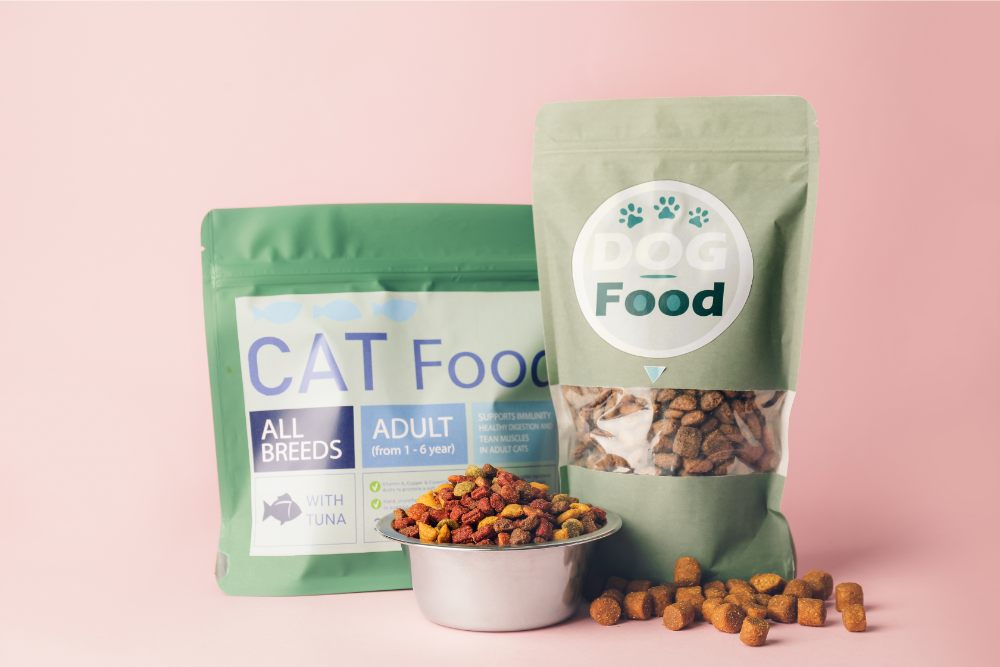
Pet Treats and Chews
Some pet products release gas after sealing, especially when packed warm or made with natural ingredients. Degassing valves help keep bags from swelling and seals from lifting during storage and transport.
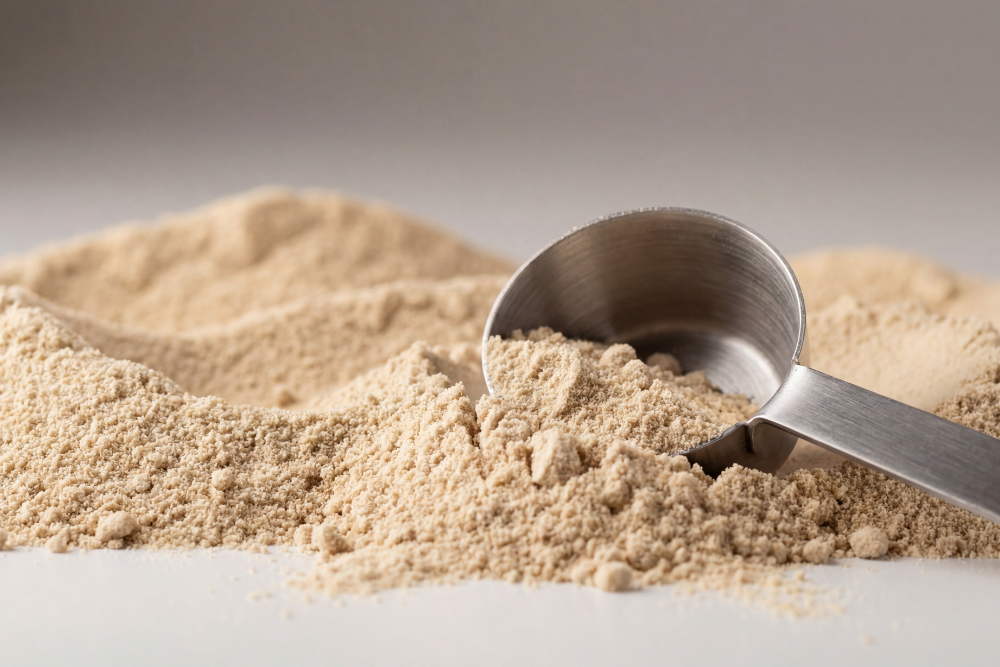
Specialty Dry Goods
Blended powders, grains, or dehydrated foods can trap air during filling and release it later as the product settles. Valve bags give that air a controlled way out as the product settles after filling.
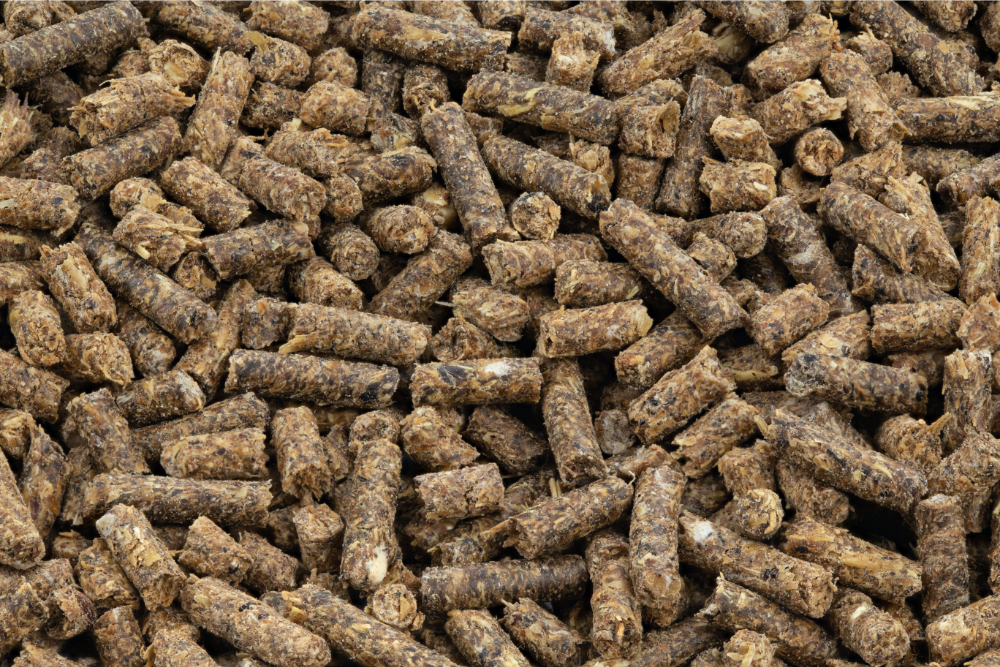
Agricultural and Bulk Products
Certain feed, seed, and soil-related products can release trapped air or moisture vapor after packing. Degassing valves help bags stay stable when stacked, palletized, and shipped over longer distances.
RubeeFlex Degassing Valve Bags FAQs
Roasted coffee continues to release CO₂ after it’s packed. The valve lets that gas out while keeping outside air from getting back in, which helps prevent puffed bags and keeps the beans from drying out.
No. Coffee is the most common use, but other products that continue to release gas after sealing can also need a valve, including certain snacks, pet treats, and warm-packed foods.
Yes. Coffee bags with a valve and zipper are common. The zipper and valve need to sit in the right places so the top seal stays strong and the bag continues to open and close cleanly over time.
Adding a valve can affect lead time. Valves are their own part, and some types take longer to source than others. That’s why valve choice is part of early layout and material decisions, not something added at the last minute.
Stay Fresh With RubeeFlex Degassing Valve Bags
Different products release gas at different rates, which affects how the valve needs to vent and how the bag settles after sealing. When those details are off, the issues usually show up later as swollen packs, stressed seals, or last-minute layout changes.
RubeeFlex works through valve behavior, film choice, and layout early, so the bag holds its shape and does its job once it leaves your facility. Because these details often only reveal themselves after sealing, we can produce samples to confirm valve placement, seal integrity, and how the bag settles before a full order moves forward.
Whether you’re packing coffee, snacks, pet products, or other off-gassing goods, you’ll have a team that understands how valve bags behave after sealing and through distribution. Share with RubeeFlex what you’re packing and how it’s handled after sealing, and we’ll help you compare valve and material options before anything is locked in.
Our goal is simple: when your customer opens the bag weeks later, it should feel the same as it did when it was first packed.
