
Retort Pouches Bags
Packaging That Survives the Heat.
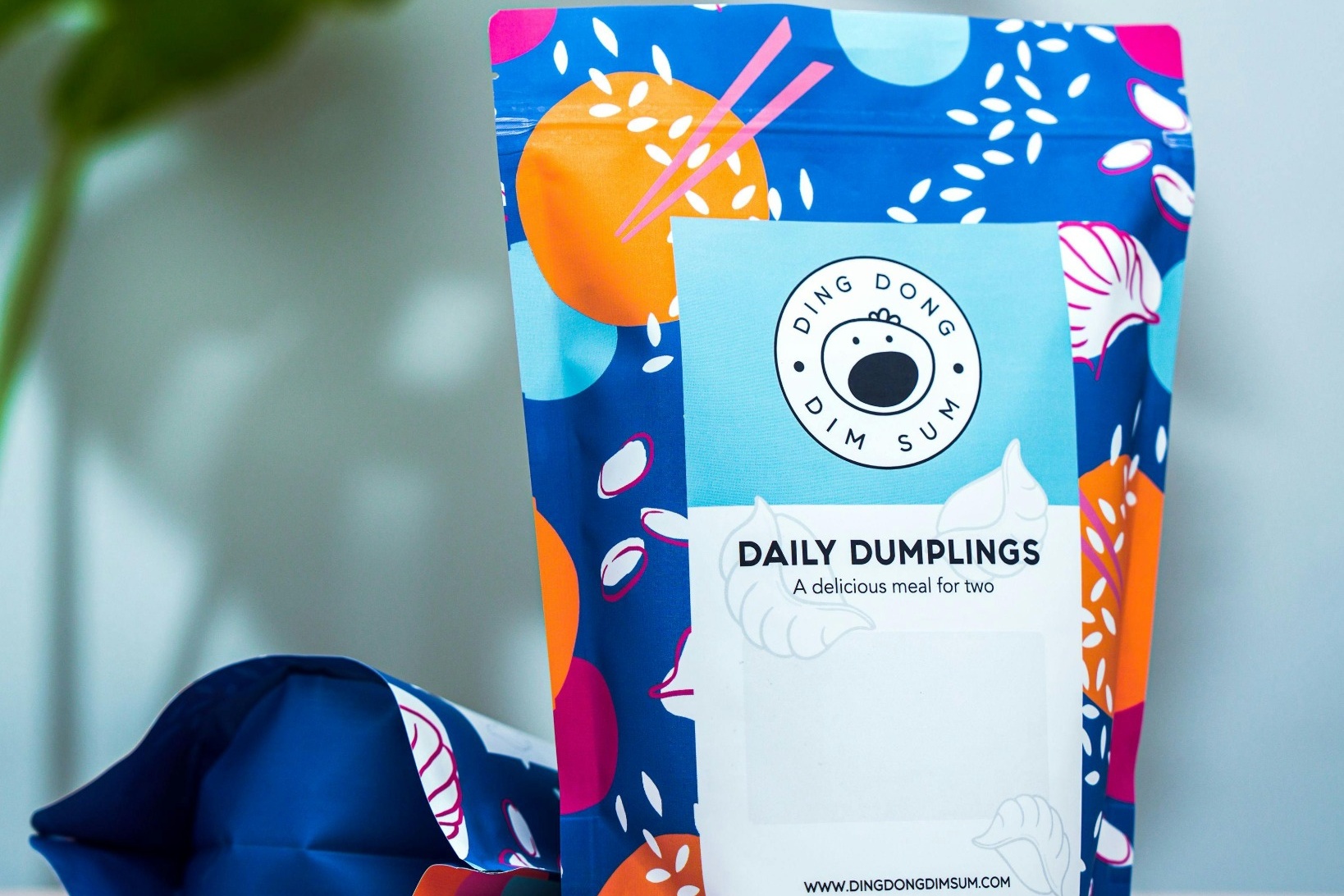
Picture your product sealed, sterilized, and ready for the shelf without refrigeration. The flavor holds, the texture stays right, and the pouch looks the same on the shelf as it did when it left your line.
That’s where retort pouches come in. Once the pouch is sealed, it undergoes a retort cycle, in which heat sterilizes the food inside under pressure. The film layers block oxygen, moisture, and light so the product keeps its flavor and quality while it sits in storage or travels to distributors.
Manufacturers use retort packaging for prepared meals, sauces, seafood, and pet food that need a long shelf life. With the right pouch structure, the seals hold up to the heat process, and the pouch keeps its shape.
RubeeFlex Packaging builds retort pouches around how your product fills, seals, and runs through your retort process, so each batch runs the same way on your line.
Retort Pouches at a Glance
- Retort pouches are flexible packages designed for heat sterilization after sealing.
- You can run retort packaging in stand-up, spouted, or three-side seal formats.
- Barrier films protect flavor during storage and shipping.
- Retort pouches weigh less and take up less space than cans or jars during transport.
- RubeeFlex builds retort pouches around your product, fill process, and retort conditions.
Get Your Custom Retort Pouches!
Request a quote today.
Explore RubeeFlex Retort Pouch Options
Stand-Up Retort Pouches — Give your product a stable shelf presence with stand-up retort pouches. Use stand-up pouches for prepared meals, rice dishes, sauces, and other foods that need to display upright in retail stores.
Spouted Retort Pouches — Make pouring simple with spouted retort pouches. A built-in cap lets customers open, reseal, and control the flow of sauces, purées, soups, and other liquid products without cutting the pouch open.
Three-Side Seal Retort Pouches — Keep packaging compact with three-side seal retort pouches. The flat profile packs neatly into shipping cases, which works well for seafood, soups, and single-portion meals.
Foil Barrier Retort Pouches — Protect heat-sensitive or oxygen-sensitive products with foil barrier retort pouches. Foil layers block oxygen, moisture, and light when the product inside requires stronger protection than a standard plastic retort bag.
Fit Your Pouch to the Retort Process
Your pouch must handle heat, pressure, and sealing conditions without weakening the structure or the seals. We offer:
- Custom pouch sizes that match your fill and portion size
- Film structures designed to handle retort temperatures and pressure cycles
- Seal layers that hold through sterilization cycles
- Print layouts that stay aligned during filling and sealing
- Features such as tear notches, hang holes, and spouts
Before moving into full production, test the pouch with your product and retort setup. Request a sample and run a quick test with your product.

What You Get With RubeeFlex Retort Packaging
When you work with RubeeFlex, you get a supplier focused on making sure your pouch runs smoothly through filling, sealing, and retort processing. We provide:
✔ Film structures selected for your product and retort cycle
✔ Seal layers that stay intact through sterilization cycles
✔ Production runs that support both product trials and larger volumes
✔ Guidance on pouch formats, films, and sealing structures
✔ Pouches that hold their shape during processing and shipping
Where Manufacturers Use Retort Pouches
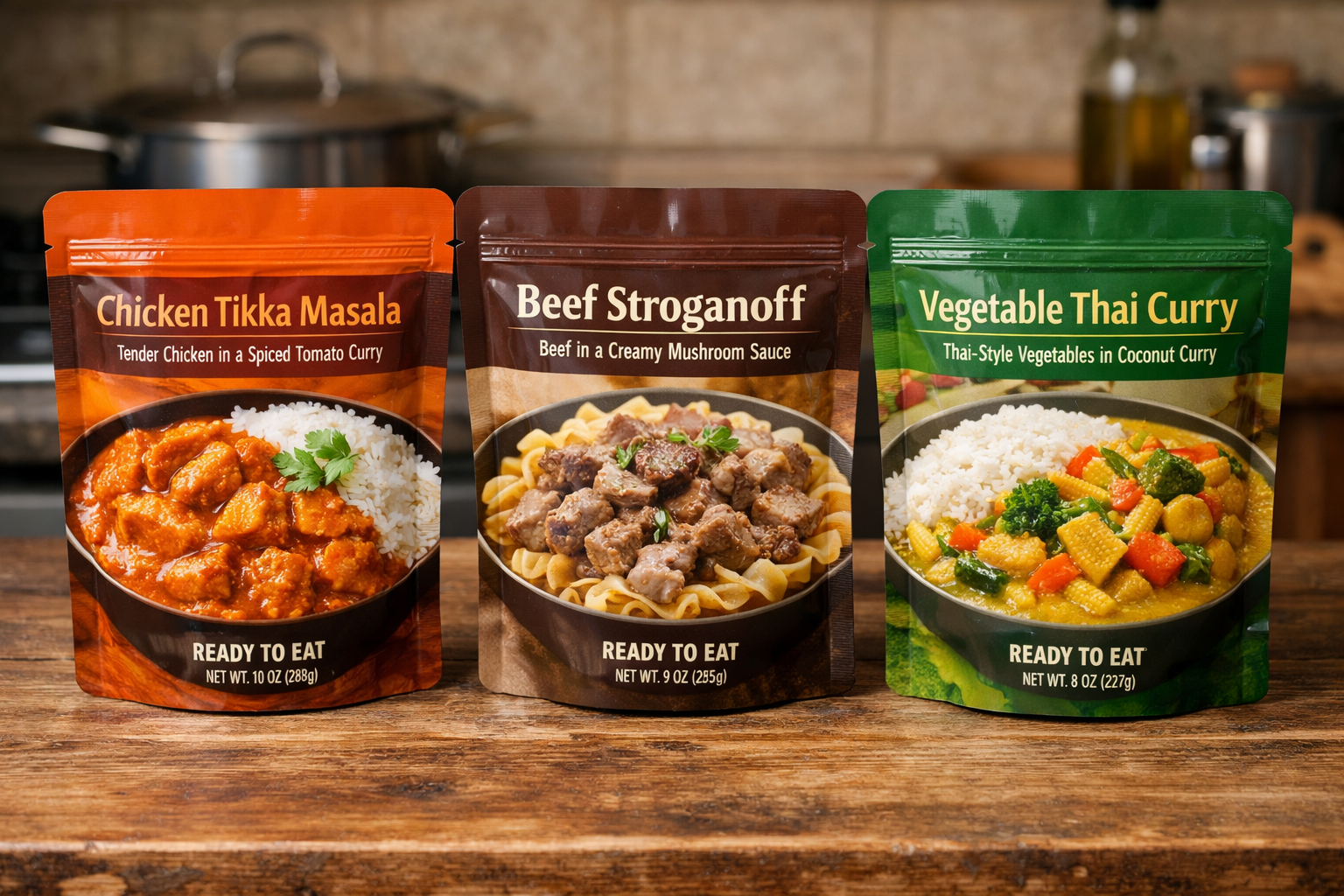
Prepared Meals
Ready-to-eat meals like rice dishes, pasta, stews, and full entrees often undergo retort processing so they can sit on the shelf without refrigeration.
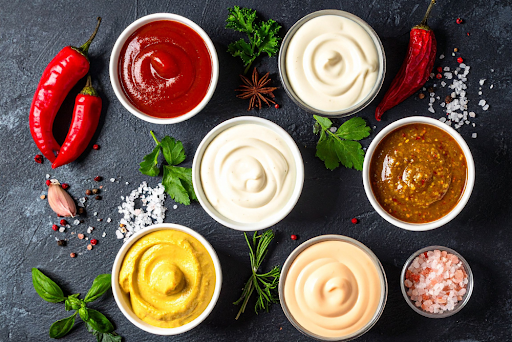
Sauces and Marinades
Sauces, soup stocks, marinades, and flavor bases work well in retort pouches when the product needs a long shelf life without refrigeration.
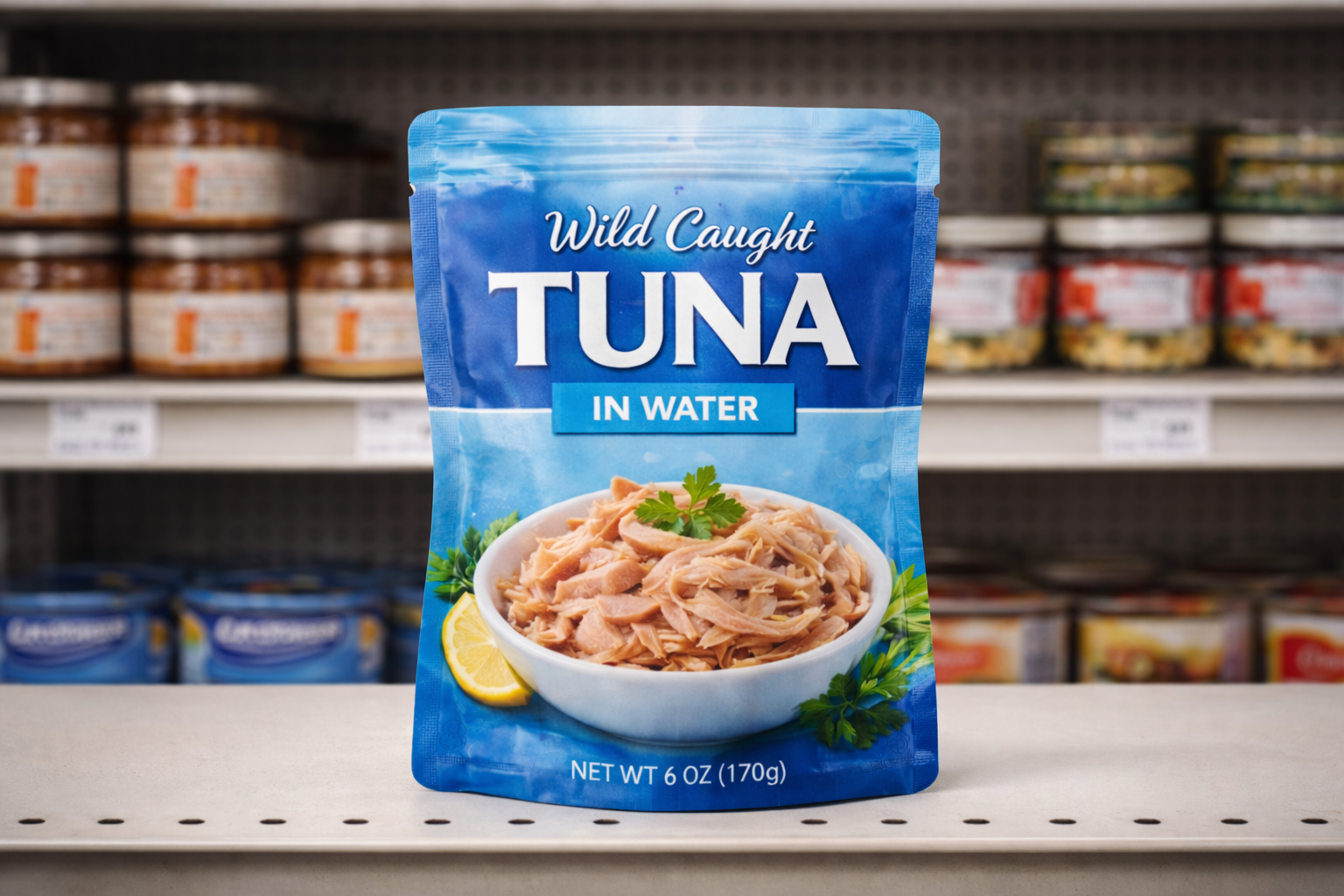
Seafood
Many seafood products, including tuna and salmon, move from cans to retort pouches or retort bags when brands want lighter, flexible packaging that takes up less space in storage and shipping.
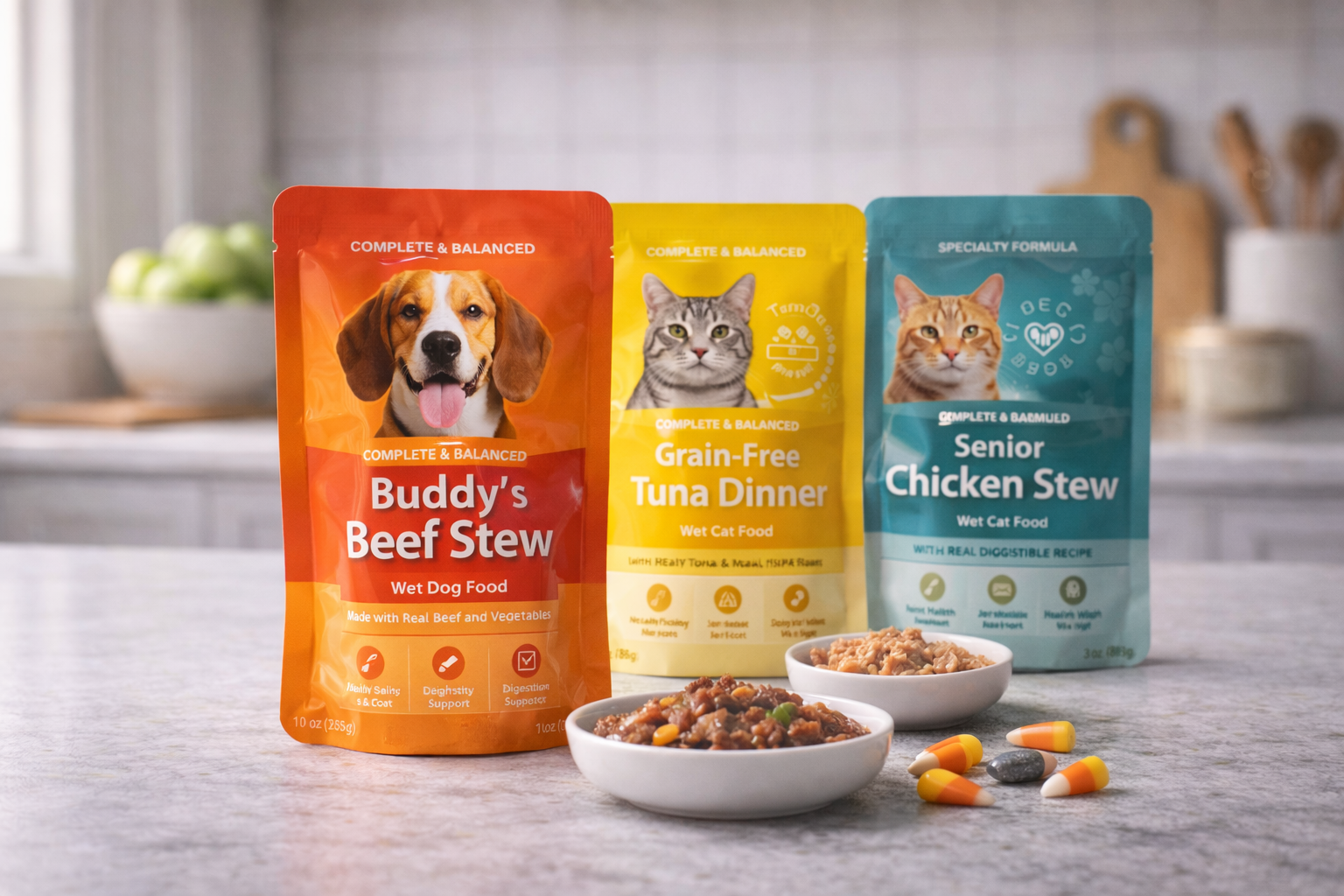
Pet Food
Pet food brands often choose retort pouches for wet meals and specialty formulas when they want flexible packaging with convenient portion sizes.
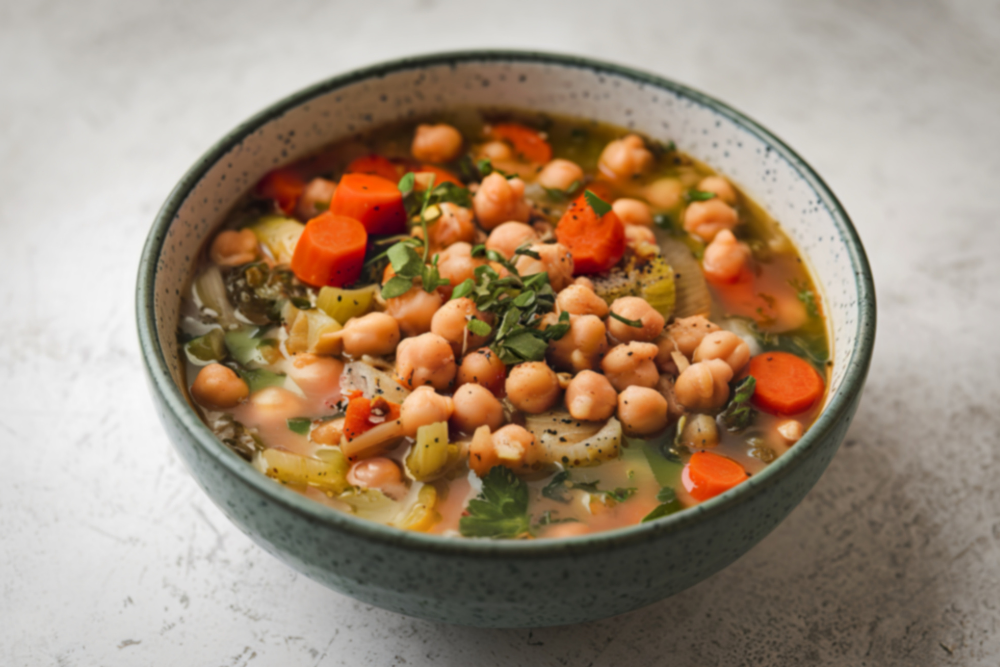
Soups and Stews
Food brands often package soups and stews in retort pouches that maintain strong seals around liquid products during heat sterilization.

Outdoor and Emergency Meals
Camping meals and emergency food packs often come in retort pouches to keep packaging weight low and take up less storage space.
RubeeFlex Retort Pouch FAQs
A retort pouch is a flexible, heat-resistant package used to sterilize food after sealing. During retort processing, heat and pressure destroy microorganisms inside the sealed pouch, so the food can be stored on the shelf without refrigeration.
Manufacturers fill and seal the pouch, then place it in a retort chamber where steam or hot water raises the temperature under pressure. The heat sterilizes the contents inside the sealed pouch during the processing cycle.
Retort pouches typically combine several film layers, such as polyester (PET), nylon, aluminum foil, and polypropylene. Each layer helps the pouch withstand heat during processing while protecting the product from oxygen, moisture, and light.
Foil-laminated retort pouches should not go in the microwave. Foil-free retort pouches made with clear barrier films can typically be heated in the microwave.
A retort pouch is designed for food products that go through heat sterilization in retort processing. Autoclave pouches use a similar sterilization method but are typically used for medical and laboratory applications rather than food packaging.
Turn Up the Heat With RubeeFlex Retort Pouches
Retort packaging goes through more than most pouches. Heat, pressure, cooling, stacking, and shipping all put stress on the seals and film layers after the pouch leaves your filling line.
Tell RubeeFlex what you’re packing, how it fills, and how your retort cycle runs. We’ll help you look at pouch structures and film options before anything is locked in, and we can prepare samples so you can test them with your product.
That way, months later, when someone tears open the pouch, the meal inside should still smell good and taste fresh.
